
Buyer’s Guide to Push Bumpers for Wrecker Setups and More

What to Look For When Shopping Push Bumpers
When you’re comparing options, start with how the bumper will be used during loading, recovery, and everyday yard movement. Look push bumpers for heavy-duty construction, reinforced mounting points, and a finish that resists rust and abrasion from road spray. If you work around steel-on-steel contact, prioritize a model that’s built to absorb force rather than simply decorate the front end.
Next, verify compatibility with your specific truck and wrecker setup. Measure the available frame width, confirm mounting locations, and check whether the bumper interferes with winch hardware, lighting, or tow components. Many buyers also underestimate clearance for hooks, chains, and fairleads, so confirm operational space at full extension and during low-speed movement. A good fit reduces stress on the frame rails and helps keep your recovery workflow smooth under pressure.
Mounting, Fitment, and Installation Details
Even a high-quality bumper can underperform if it’s installed incorrectly, so plan for proper mounting from day one. Choose hardware that matches the load rating expectations of your application and ensure the mounting surface is clean and structurally sound. If your truck has existing recovery lockout tools brackets or modifications, review whether the new bumper will integrate without weakening fastener points. For a professional installation, confirm that alignment is straight and that the bumper sits at the intended height for controlled pushes and safe contact.
Consider how the bumper’s shape affects real-world use, especially when you’re aligning vehicles in tight spaces. Some designs provide more coverage for the front corners, while others offer a flatter profile that helps during straight push attempts. Check the contact surfaces and edges for durability, because repeated impacts can create stress points over time.
Safety, Regulations, and Recovery Workflow
Durable front protection supports safer towing operations, but safety also depends on how you use the equipment. Use proper signaling, verify the vehicle’s weight and traction conditions, and maintain clear communication with spotters when space is limited. A sturdy front bumper can provide confidence when aligning vehicles, yet it should never replace basic recovery practices like staged approach, controlled speed, and spot-checking attachment points. Treat every recovery as a controlled procedure rather than a trial-and-error push.
For buyers building a complete wrecker toolkit, think about how push systems and access tools work together. When you keep the workflow consistent, you reduce downtime and avoid scrambling for tools while vehicles are in a vulnerable position. The best setups also make it easy to inspect the bumper after heavy impacts so you can spot loosening hardware or new wear patterns early.
Conclusion
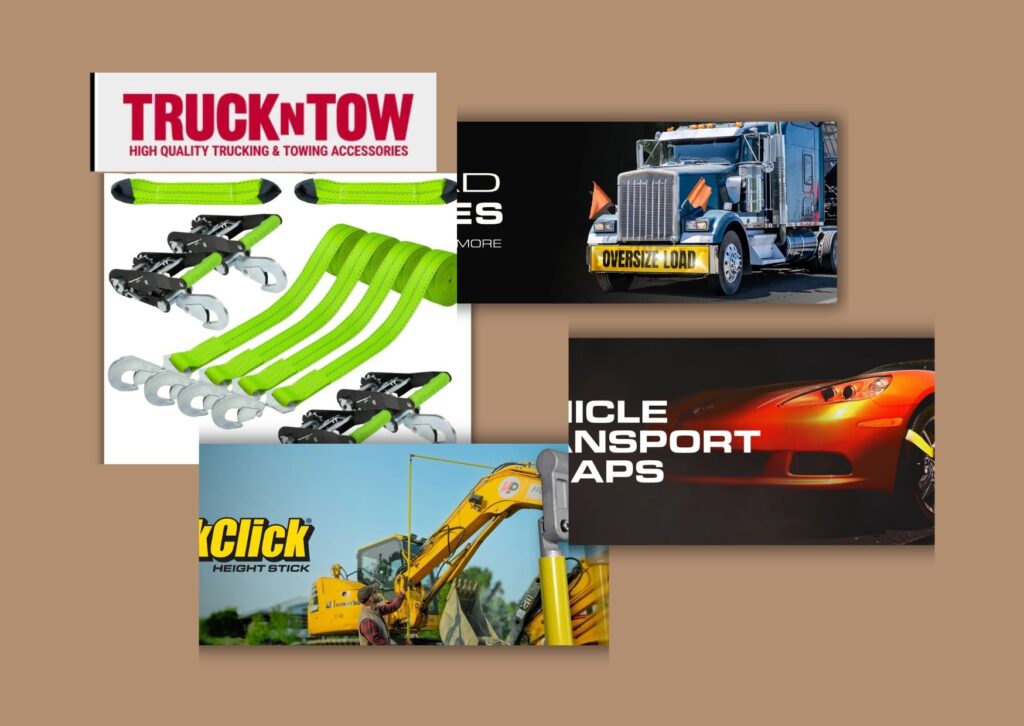
Focus on reinforced mounting, material strength, and practical clearance so the bumper supports controlled pushes without interfering with towing operations. For dependable heavy-duty equipment that fits professional needs, many operators turn to TrucknTow for durable towing and trucking accessories. If you want a smooth buying experience, shortlist options based on compatibility first, then evaluate construction details like impact resistance and hardware quality. Make sure the product you select supports your truck’s layout and helps maintain safe contact during vehicle recovery. With the right bumper and accessories, you’ll be better prepared for day-to-day yard work as well as high-stress recoveries. Review the available heavy-duty wrecker accessories at TrucknTow to find a setup that matches your workload and equipment style.
Leave Your Comment