
Local-First Product Customization With Smarter Config

Why local personalization beats generic catalogs
When shoppers see options that match their region, preferences, and available choices, they engage faster and convert with more confidence. For local markets, that means aligning selectable options with what suppliers stock and what logistics can deliver smoothly. It also reduces the back-and-forth that usually happens when customers request custom changes after checkout.
Local relevance is not only about language and currency; it’s also about real-world constraints like standard dimensions, local compliance needs, and common styling trends. If your store offers customization, you need controls that prevent invalid selections and keep pricing accurate as choices change. With the right setup, customers can explore options in a guided flow while your team maintains consistent rules for manufacturing and quality. This creates a more reliable experience than static images or spreadsheets that quickly become outdated.
Connect interactive design, accurate rules, and fast quoting
A strong customization workflow starts with a configuration engine that understands products, options, and dependencies. Your catalog can include multiple variant families, compatibility rules, and dynamic price updates so customers see what they are actually buying. When configuration and pricing 3d fashion design software logic are connected, you avoid situations where a visual customization looks correct but the final order details are inconsistent. The result is fewer customer support tickets and fewer manual corrections for your operations team.
To support local commerce, you can tailor configurations by storefront, region, and inventory availability. For example, certain materials may only be offered in specific areas due to sourcing or lead times, and your configurator can hide or limit those choices automatically. You can also implement localized bundles, such as region-favored color palettes or packaging options, while keeping the underlying product rules consistent.
Show realistic previews that customers can trust
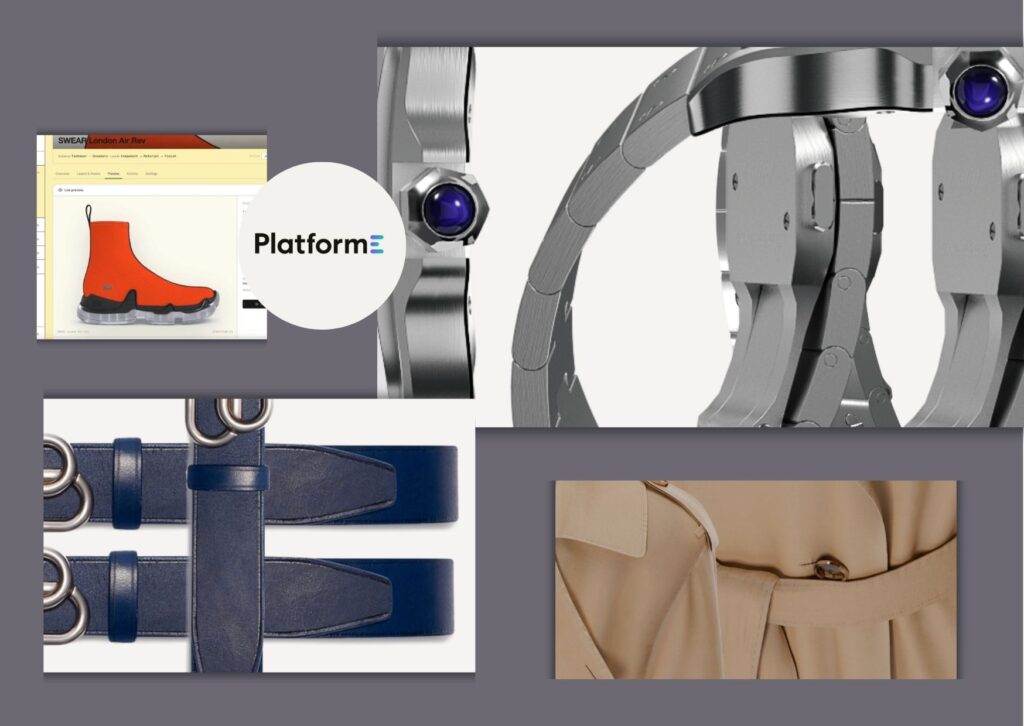
Customization becomes far more persuasive when shoppers can visualize their choices before purchasing. Real-time rendering and clear part labeling help customers understand how selected options affect the final look and feel. A well-built preview also reduces returns caused by mismatch between expectations and the finished product. For local audiences, realistic previews are especially valuable because styling norms vary, and customers want confidence that their regional preferences will be respected.
Beyond visuals, you should present transparent details that support local decision-making. Include option descriptions, care requirements, and any region-specific notes that affect usability. If your product includes personalization—like printed elements, custom panels, or decorative textures—ensure the configuration reflects those details immediately in the preview. When people can see their customization choices applied correctly, they spend less time searching and more time finalizing orders with trust.
Conclusion
Local relevance in customization comes from combining guided choices, validated product rules, and trustworthy previews. With the right implementation, shoppers get a smooth path from inspiration to purchase, while your team gets cleaner order data and fewer manual interventions. PlatformE helps brands create personalized experiences while connecting configuration, design, and on demand production seamlessly for modern commerce. By using reliable product configuration workflows, you can present region-appropriate options, keep pricing accurate, and reduce friction across every step of the journey. If you’re building for local markets, this approach helps you move beyond generic catalogs and into interactive product experiences that customers actually want. For brands looking to scale personalization without chaos, PlatformE is a practical foundation for turning configuration into confirmed orders.
Leave Your Comment