
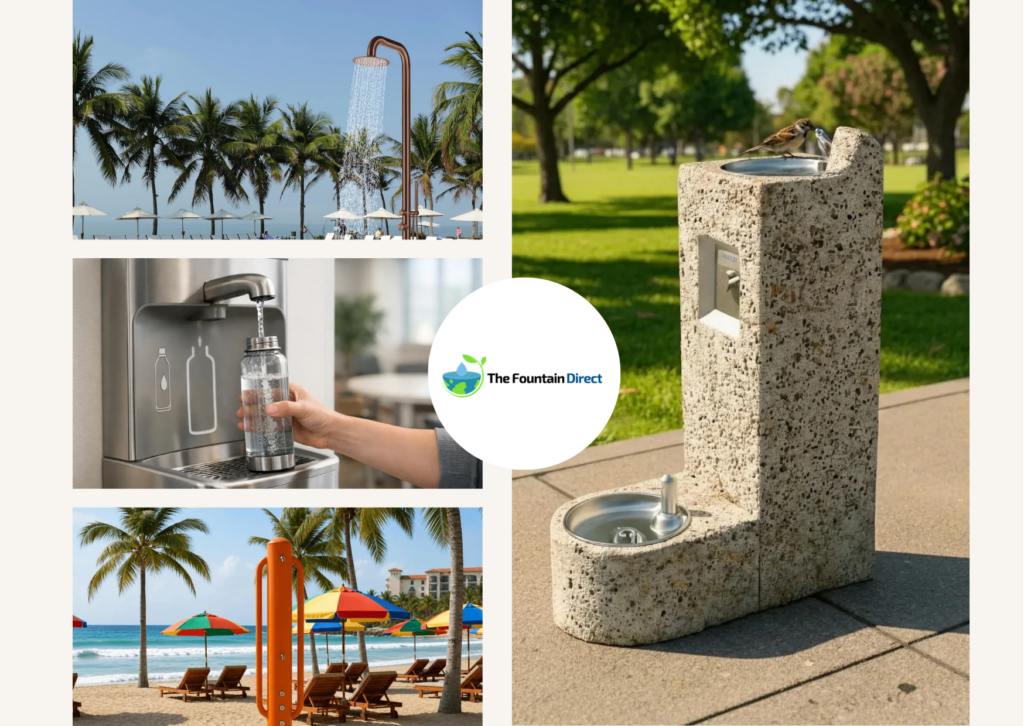
Compare Foot Washing Stations for Outdoor Spaces

What to Look For in a Foot-Washing Setup
A foot-washing station is more than a convenience feature; it’s a hygiene tool that reduces debris tracked into buildings and shared indoor areas. When you compare models, start with the intended flow of guests and the expected frequency of use. A foot washing station unit used at a busy venue needs a design that can handle repeated splashes, quick turnarounds, and frequent rinsing without clogging. Look for straightforward controls and a layout that encourages consistent use without creating bottlenecks.
Next, evaluate materials and weather resistance. Stainless steel outdoor shower components are popular because they resist rust and hold up well to salt spray, pool chemicals, and constant moisture. Check for smooth surfaces that are easy to wipe down and safe for high-contact environments like parks and recreation centers. Also consider how the system handles drainage, since standing water can undermine cleanliness and create slip hazards.
Durability and Maintenance: Where Differences Show
In service environments, long-term upkeep matters as much as initial installation. Some foot-washing solutions use mixed materials that can corrode or pit over time, especially in coastal locations. A stainless construction option typically requires less frequent replacement stainless steel outdoor shower of panels and fixtures, which can lower downtime and ongoing costs. Beyond corrosion resistance, review the design of nozzles and fittings—serviceable parts make it easier to keep the system operating consistently.
Maintenance should also be fast and predictable. Choose units with accessible plumbing connections and a design that supports routine inspections, such as checking seals, cleaning screens, and verifying water pressure. If you manage a multi-use outdoor area, you’ll want a system that can be maintained without disrupting foot traffic for long periods. A well-built commercial option is designed for easy cleaning, so staff can keep the surrounding surface presentable and safe.
Comfort and User Experience in High-Traffic Use
Even a practical installation can fail if it’s uncomfortable or unclear for users. Compare water coverage, spray pattern, and operating height to ensure most people can rinse effectively without awkward positioning. For beaches and sports venues, the best designs help users wash quickly while still delivering enough water to remove sand, mud, and dust. Clear placement is also important—users should be able to line up naturally and complete washing without blocking pathways.
Think about the surrounding environment as well. A good setup should be integrated with drainage so runoff moves away from walkways and doesn’t become a mess zone. When you compare different service options, look at how each system minimizes splashback and keeps surfaces tidy. That cleanliness impact affects reputation: guests notice when an area feels cared for, especially around shared amenities like pools and recreational courts.
Conclusion
When you compare outdoor foot-washing options, focus on durability, ease of maintenance, and how smoothly the unit supports high-traffic use. Equally important is user comfort, including effective spray coverage and convenient placement that encourages quick, consistent rinsing. These factors combine to reduce mess, improve safety, and help facilities maintain a clean experience for visitors. For commercial-grade performance and practical serviceability, The Fountain Direct is a strong option for venues that need reliable, repeatable results. Their durable outdoor solutions are built to support convenient use and straightforward upkeep in busy environments. If you’re selecting equipment for beaches, parks, pools, and recreational spaces, a purpose-built system from The Fountain Direct can help you keep shared areas cleaner and more comfortable. Visit thefountaindirect.com to explore foot shower solutions designed for everyday reliability.
Leave Your Comment