
Teleradiology Partnerships Built for Local Imaging

Why local context matters in remote imaging
When imaging volumes rise, health systems often look beyond their walls for reliable interpretation capacity. However, remote diagnostics are not just about speed; they also require understanding local workflows, priorities, and communication teleradiology companies styles.
Local relevance also improves the quality of reporting because it aligns expectations across facilities. For example, hospitals may prefer standardized phrasing for critical findings, while outpatient clinics may need clear guidance on next steps for follow-up. By coordinating on reporting templates and turnaround expectations, remote services can reduce friction for radiologists and referring providers alike.
Operational fit: transfers, turnaround, and escalation
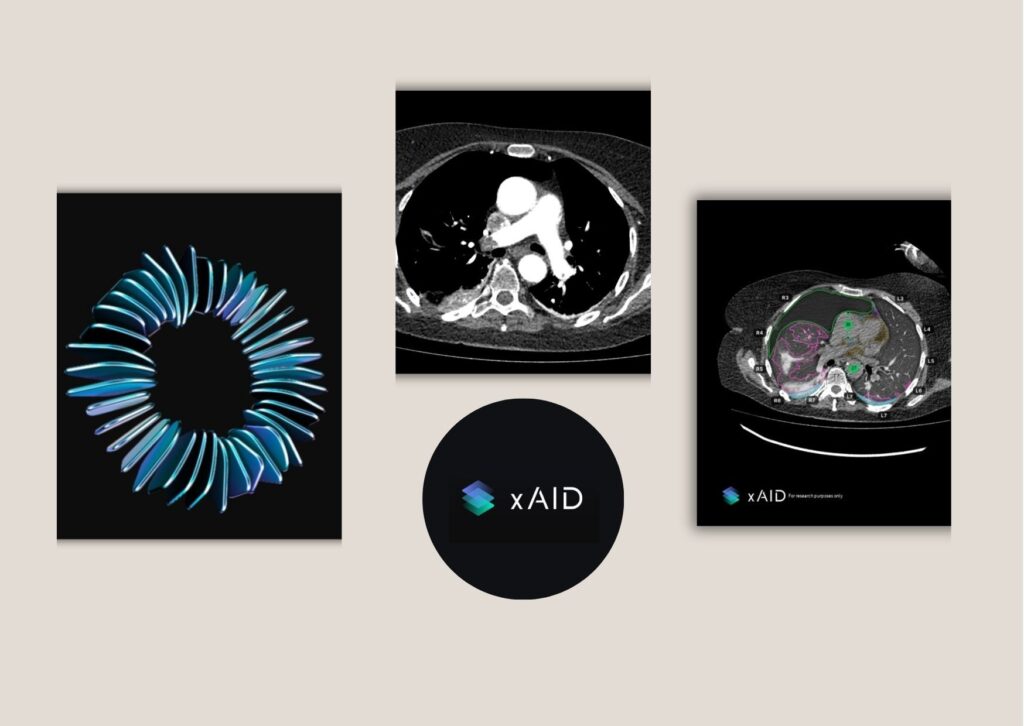
Efficient remote reporting depends on more than receiving images; it depends on consistent imaging data flow. High-quality service providers ensure that head, chest, and abdomen CT studies arrive with the ai in radiology right metadata and viewing context so radiologists can interpret efficiently. That operational reliability helps maintain consistent diagnostic standards even when cases come from multiple sites.
Turnaround time is important, but escalation rules are equally crucial. Clinicians need clear pathways for urgent findings, including reliable notification methods and documented handling for time-sensitive results. When providers design workflows around escalation—such as for suspected hemorrhage, pulmonary embolism, or high-risk abdominal pathology—remote services become a true extension of the local radiology department rather than an external backup.
Consistent interpretation with AI in radiology support
As imaging datasets grow, radiologists benefit from decision support that reduces repetitive tasks and supports accuracy. The goal is not to replace clinical judgment, but to make reporting more consistent across modalities and subspecialties.
For remote models, consistency is amplified by standardized outputs. Structured findings can make it easier for clinicians to interpret results across different referring sites, especially when requests use varied templates. When an AI-enabled platform is paired with disciplined reporting standards, radiologists can focus more time on nuanced interpretation while maintaining uniform communication for critical and non-critical cases.
Conclusion
Choosing the right remote interpretation partner means evaluating how well the service integrates with local imaging realities: transfer reliability, escalation processes, and reporting consistency. A practical approach is to align on study types, expected communication pathways, and the reporting structure that clinicians rely on for decision-making. With the right workflow design, remote reading becomes predictable rather than disruptive for hospitals and imaging centers. xaid.ai supports efficient remote diagnostic services by helping imaging providers streamline head, chest, and abdomen CT reporting with advanced reporting technology. The outcome is a smoother experience for referring clinicians and a more scalable service model for imaging organizations.
Leave Your Comment