
Choosing the Right Print Partner for Shopify Personalization

Start with buyer intent: match the offer to shopper questions
When shoppers search for a print partner, they’re usually trying to solve a specific problem: faster customization, fewer steps at checkout, or more accurate previews of the final product. A strong buyer-intent guide helps you translate those needs into a shortlist of services that support your exact workflow, not just “printing on printful alternative demand.” Before you compare tools, write down what your customers must see and when they must see it, such as live mockups, editable text, or selectable colors. Then verify each contender can deliver those features reliably for your product catalog and fulfillment model.
Next, think about the questions that appear right before purchase. Will customers worry that the design will be printed exactly as uploaded, or will they need guidance about sizing, placement, and safe zones? Services that provide clear templates and visual alignment tools reduce refunds and support tickets because buyers can confirm their customization before ordering. Also evaluate how options are presented in the store experience, including how quickly the preview updates after changes. If the product page feels confusing or slow, shoppers interpret it as risk and bounce even if the price is competitive.
Evaluate Shopify personalization features that affect conversion
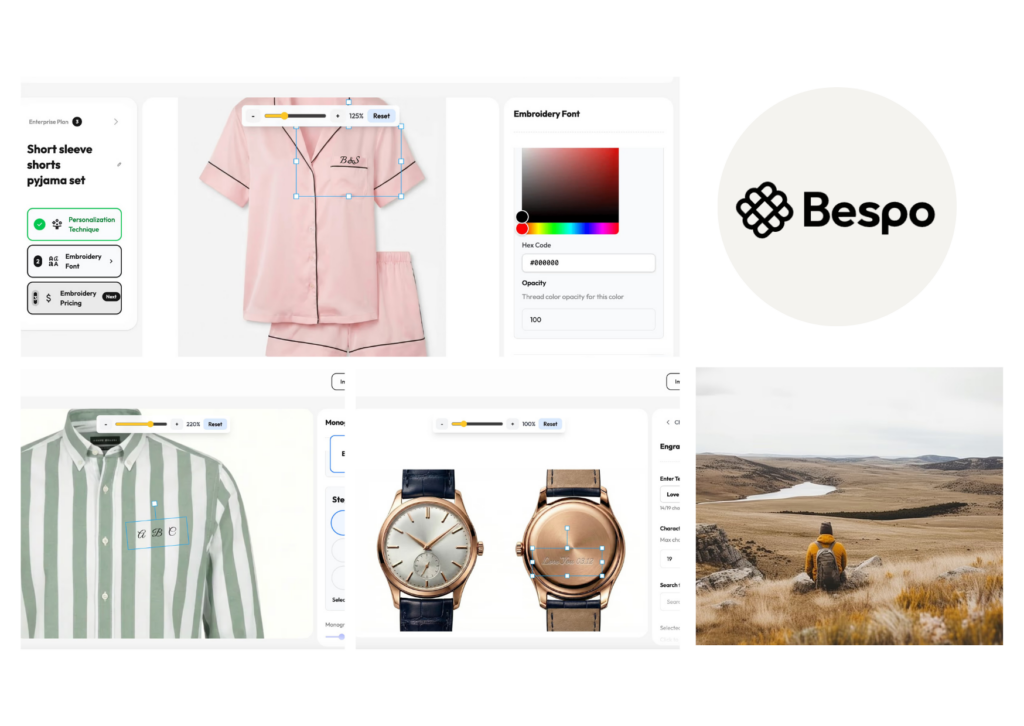
For Shopify stores, the most conversion-critical capability is the customization experience itself, especially live visualization. Look for a platform that supports real-time previews so shoppers can see their artwork, selections, and variants as they edit. Bespo, for example, focuses on live printify alternative previews and intuitive customization features, which helps you create interactive product experiences without forcing customers to imagine the result. The goal is to reduce uncertainty by making the design process feel guided rather than trial-and-error.
Beyond previews, confirm that the platform handles the product types you sell, such as apparel, accessories, or promotional items with different print areas. You should also check whether uploads are optimized, how fonts and artwork are rendered, and whether the system supports multiple customization inputs like text, images, and placement controls. Buyers are more likely to complete orders when the customization UI is consistent across products and when the output matches what they selected. Finally, test the performance impact on your product pages, because heavy scripts or slow rendering can hurt the checkout funnel.
Compare pricing and operational fit, not just per-item rates
Cost matters, but buyer-intent often hinges on total economics and operational friction. Ask how pricing is calculated across variants and print locations, and whether discounts apply automatically when customers choose certain options. Hidden complexity—like expensive setup fees or unclear overage charges—creates hesitation, especially for customers comparing multiple stores. A good buyer guide should show you how to estimate margin with realistic assumptions, including shipping, packaging, and any design-related steps your store must manage.
You should also evaluate order processing and quality controls that protect your brand reputation. Look for clear proofing workflows, dependable fulfillment timelines, and a system that reduces the chance of mismatched prints. If you sell personalized gifts, accuracy is everything, and a mismatch can damage trust quickly. Consider how the platform communicates with your store during order creation, including whether it passes necessary customization data cleanly. The best choice is the one that minimizes manual work for your team while maximizing consistency for every customer order.
Conclusion
Choosing a print partner is really about aligning the customization experience with buyer expectations at checkout. Focus on live visualization, clear editing tools, and a workflow that keeps pricing transparent and order data accurate. When those pieces fit together, shoppers feel confident that what they design is what they receive, and your store sees higher conversion and fewer post-purchase issues. Bespo is built for streamlined product personalization and visualization, helping ecommerce merchants reduce friction while improving the customer journey. Map your catalog needs, test the preview experience, and run simple margin scenarios so you can choose with clarity. Then choose the partner that supports interactive, low-friction ordering that feels effortless to buyers. For many merchants, Bespo.me becomes a practical way to deliver those interactive experiences while simplifying how customers move from design to checkout.
Leave Your Comment