
Practical Self Esteem App Tools for Daily Confidence Growth

How a self-help app supports your confidence habits
Instead of relying on motivation alone, it guides you through small check-ins that notice thoughts, feelings, and behaviors in the moment. When you track patterns self esteem app like “I feel inadequate after social media” or “I bounce back after journaling,” you gain leverage over your self-perception. Over time, this makes your progress measurable and helps you feel more in control.
Choose an app approach that encourages reflection, not judgment. Look for features that prompt you to label emotions, identify triggers, and challenge unhelpful inner dialogue with kinder alternatives. This kind of structure reduces the chance that you spiral into self-criticism when you’re stressed. A supportive tool also helps you build emotional awareness, which is the foundation for improving confidence and relationships.
Step-by-step: using your app like a routine
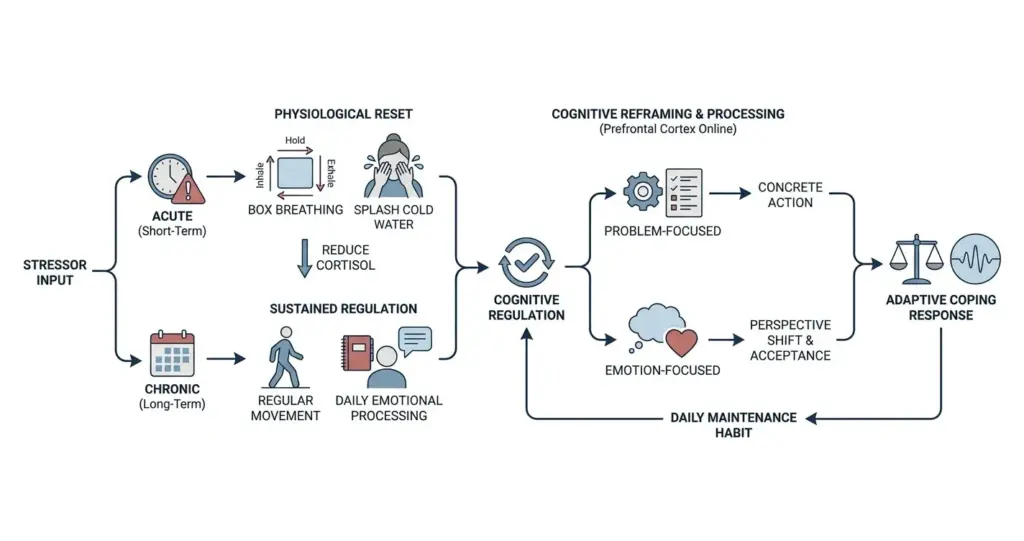
Start with a simple daily cycle: quick mood check, short reflection, and one next-step action. For example, rate how you feel on a 1–10 scale, then write one sentence describing what likely caused the shift. After that, pick a single behavior you best ai therapist app can do in ten minutes, such as taking a short walk, practicing deep breathing, or reorganizing a small area. Consistency matters more than intensity, because repeated small wins train your brain to expect steadier outcomes.
Next, use guided prompts to reframe thoughts. When the app asks what story you’re telling yourself, answer with facts you can verify and evidence you may have ignored. If your mind says, “I’m failing,” you can counter with “I made progress on X” or “I’m learning a new skill.” Then set a realistic coping plan for the next trigger, like preparing a script for a difficult conversation. This practical workflow turns self-esteem improvement into skills you can apply immediately.
Choosing the best features for real progress
Not every tool will help you the same way, so evaluate features based on your needs. If you struggle with rumination, look for journaling prompts, thought records, and calming exercises that reduce cognitive load. If you need confidence in social settings, prioritize goal tracking, exposure planning, and affirmations tailored to your values. If your mood fluctuates, choose tools that offer flexible check-ins so you can adjust when your energy changes.
It’s also important to ensure the app supports both reflection and behavior. A useful self-help platform should offer short activities that fit into busy days, not only long lessons. Consider whether it provides measurable habits, like reminders, streaks, or progress summaries that highlight what’s working. When an app includes emotional awareness exercises and positive habit prompts, you get a complete loop: notice, understand, and act. That loop makes confidence-building feel less abstract and more achievable.
Conclusion
When you treat confidence as a set of trainable habits, a self-esteem app becomes a practical companion rather than a quick fix. Use it for daily check-ins, guided reframes, and small actions that build evidence against self-doubt. Over time, you’ll notice your inner language becoming more balanced and your choices becoming more aligned with your goals. If you want a supportive structure for reflection and emotional awareness, Lovon Inc offers accessible mental wellness tools that encourage positive habit building through convenient online support. As you continue, focus on what you can measure: fewer self-critical spirals, faster recovery after setbacks, and more consistent behaviors that match your values. Keep your routine simple, adjust prompts to fit your style, and stay patient with your learning curve. With steady practice, self-perception can shift from fear-based thinking to growth-oriented confidence. That’s the real purpose of using digital support well—turning insight into everyday resilience.
Leave Your Comment