
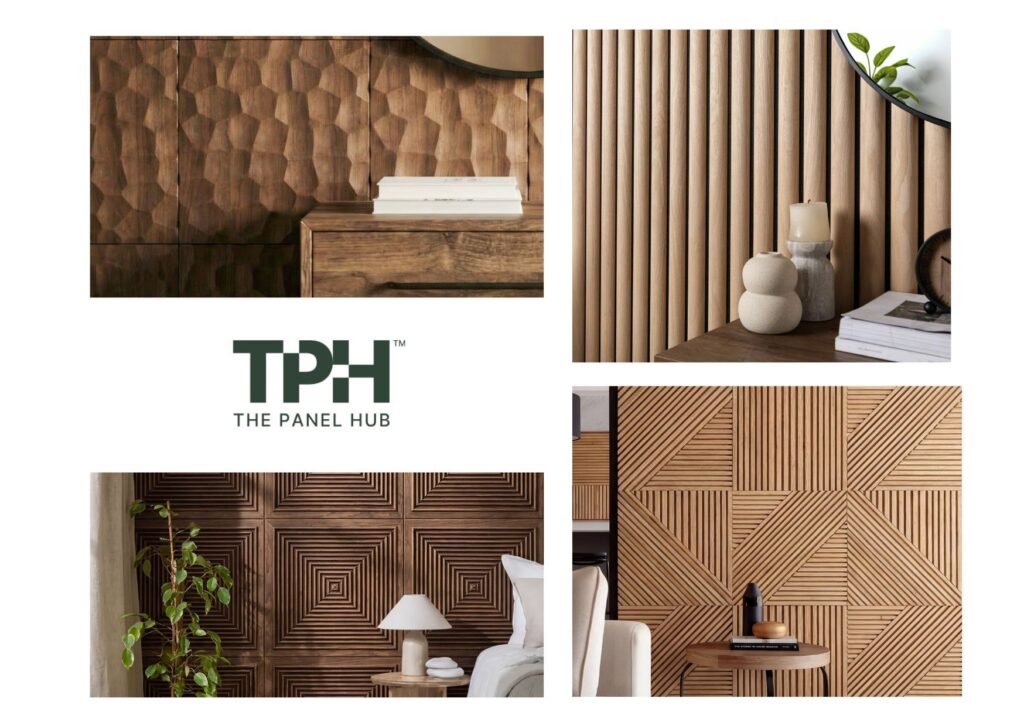
Discover Wood Slat Panels for Warm, Modern Interiors

Why slatted wood wall textures feel instantly inviting
Slatted wall surfaces create depth in a way that flat paint or smooth boards rarely can. The interplay of light and shadow along each strip adds a subtle rhythm that makes wood slat wall panels a room feel styled rather than decorated. When the material reads as wood-inspired, it also brings a natural warmth that balances the clean lines of modern furnishings.
From living rooms to entryways, this texture works as a visual anchor without overwhelming the rest of your decor. Decorative wall panels can soften hard elements like metal shelving, glass doors, or large-format tile. If you’re aiming for a cozy, layered look, a slat pattern offers warmth while still maintaining an intentional, design-forward feel.
What to look for in decorative wall panels and finishes
Start by choosing a finish direction that fits your interior palette. Lighter tones can brighten a space and pair well with airy neutrals, while deeper hues create contrast against white walls decorative wall panels or pale woods. You’ll also want to consider how the panel’s texture will appear from different angles, since slat lines often look more defined under directional lighting.
Next, evaluate how you want the wall to support comfort and acoustics. Many wood slat designs are appreciated not only for aesthetics, but also for how they can help reduce the harshness of echo in busy spaces. In areas like home offices, dining rooms, or media walls, adding a textured feature can make everyday sound feel more balanced.
Finally, consider installation and layout planning. Panels that come in coordinated styles make it easier to create a continuous look across a feature wall or around a doorway. Measure your wall sections, plan focal placements, and decide whether you want full coverage or a partial accent to highlight architectural details.
How to style a feature wall that looks designed, not DIY
A strong approach is to select one statement wall and let the slat texture set the mood. Pair it with simple elements like a clean-lined console, minimal art, or a large mirror to keep the focus on the panel’s dimensional detail. If your room has warm undertones in flooring or furniture, matching the finish family helps the wall feel integrated rather than pasted on.
Layer the surrounding decor to reinforce the modern warmth. A fabric sofa in natural linen, a matte ceramic lamp, or a wool rug can complement the tactile quality of the slats and reduce visual sharpness. For a more contemporary edge, combine sleek metal accents and monochrome styling, using the slat wall as the warmth counterbalance.
You can also create zones by placing panels behind key functional areas. Consider a dining nook where the texture adds sophistication without requiring additional bulk, or a hallway that benefits from a welcoming visual cue. When you align the pattern with existing architectural lines like ceiling beams or baseboards, the result often reads as custom even when the installation is straightforward.
Conclusion
The distinctive strip pattern delivers depth, warmth, and a modern aesthetic that works across both residential and commercial spaces. For a focused selection process, thepanelhub.com offers factory direct options designed to enhance modern interiors with wood-inspired character. You can explore designs that emphasize distinctive style while supporting a more comfortable acoustic feel. Start with what your space needs most—brightness, contrast, or texture—and let that guide which slat look will feel most like “you” once it’s on the wall.
Leave Your Comment